Wildlife groups across the Highlands are urging the public to help protect Loch Ness and surrounding habitats from a proposed hydroelectric development they warn could “permanently damage” one of Scotland’s most iconic landscapes.
Local community organisations and national conservation bodies have joined forces in opposition to the Loch Kemp Pumped Hydro Scheme, located above Loch Ness in the Great Glen. It is one of four existing or proposed developments linked to the loch.
The groups warn that frequent, rapid changes in Loch Ness’s water levels could harm invertebrates, block migrating salmon, and trap young eels in intake pipes.
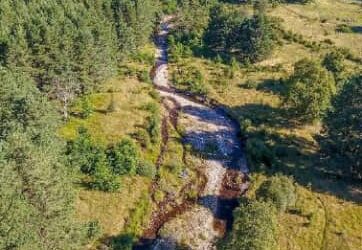
The hydro scheme, they say, would also destroy “irreplaceable” ancient semi-natural woodland, threatening some of the Highlands’ most precious habitats, including Ness Woods Special Area of Conservation (SAC) on the eastern shore.
Loch Ness is one of the largest freshwater bodies in the UK and is home to an abundance of aquatic invertebrates, as well as Endangered Atlantic Salmon and the Critically Endangered European Eel, both of which depend on the loch during key stages of their life cycle.
READ MORE:
The Loch Kemp scheme will permanently damage the biodiversity of iconic Loch Ness, with the ecological impacts extending beyond to the greatest wildlife spectacle in the Highlands, which occurs at Chanonry Point, where dolphins prey on returning Atlantic salmon within metres of the shore.