

Species Interaction and Management
Protecting wild salmon means looking beyond the river alone. Many other species—both native and introduced—interact with salmon and their habitats in ways that require careful, evidence-led management.
Fisheries Management Scotland advocates for a balanced and pragmatic approach to species management, ensuring that salmon conservation is considered alongside wider biodiversity and animal welfare objectives.
Deer, for example, have a significant impact on riparian woodlands and natural regeneration. Overgrazing in river catchments can limit the establishment of native trees, which are critical for creating shade, stabilising banks, and improving water quality. We work with land managers, foresters, and the deer sector to promote integrated approaches that deliver both deer and river management objectives.
Learn more about our work with the Riverwoods initiative
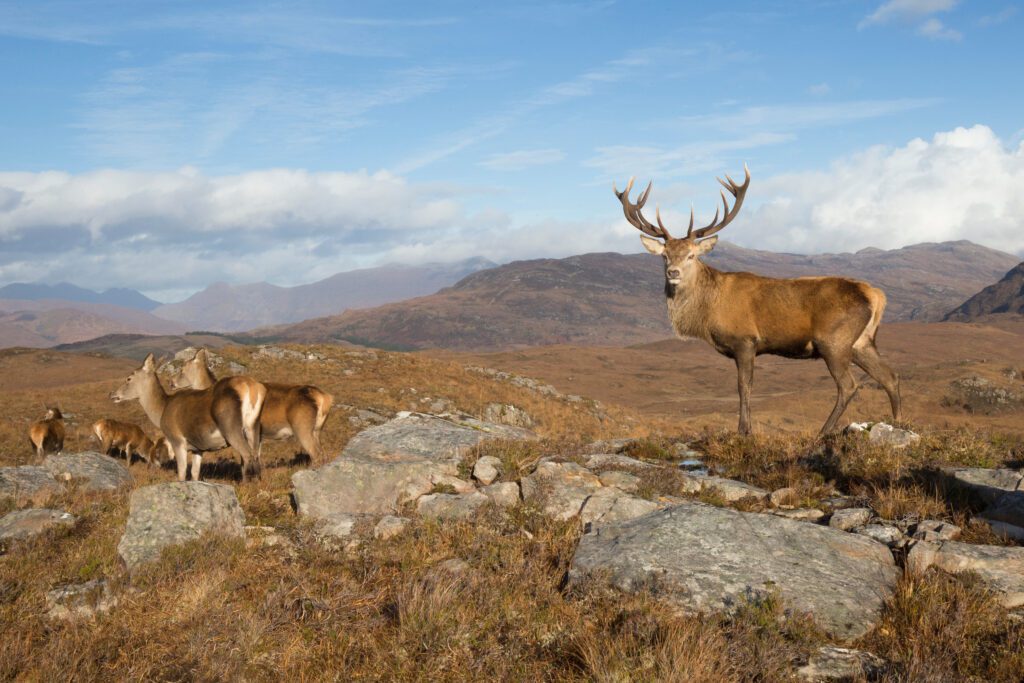
©Scotlandthebigpicture.com
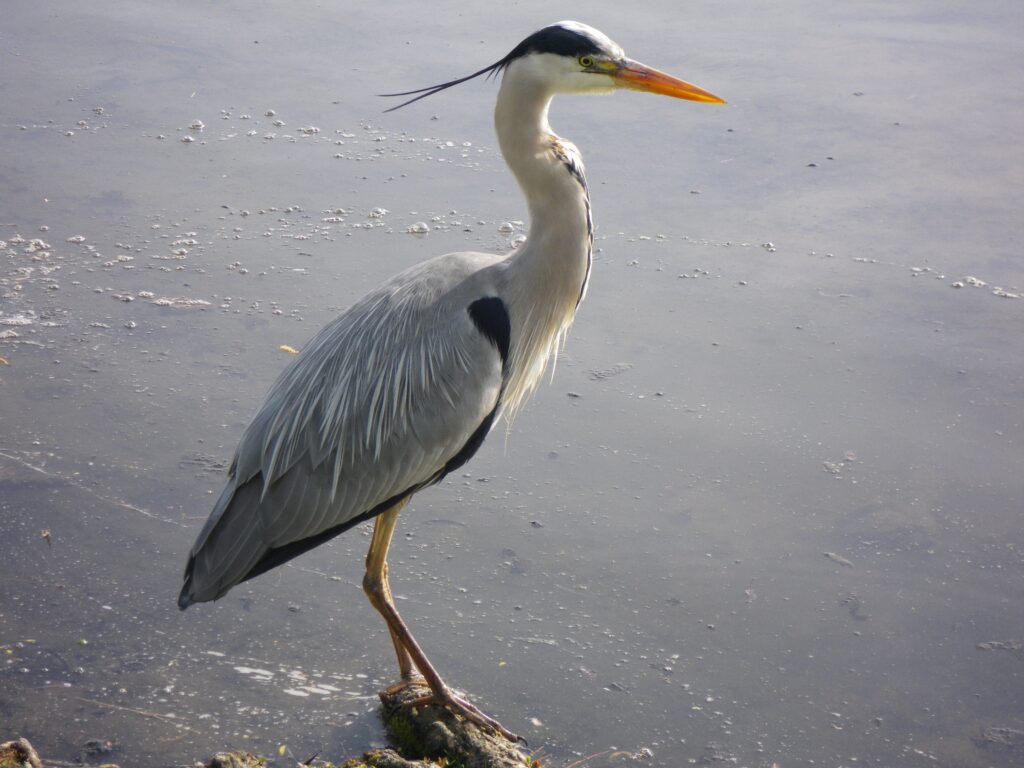
In the aquatic environment, predation by piscivourous (fish-eating) birds, such as goosanders, mergansers and cormorants, pose additional pressures on salmon, particularly juvenile fish during key stages of development. We engage with NatureScot and others on the evidence base and management licensing framework, ensuring the needs of salmon conservation are properly considered.
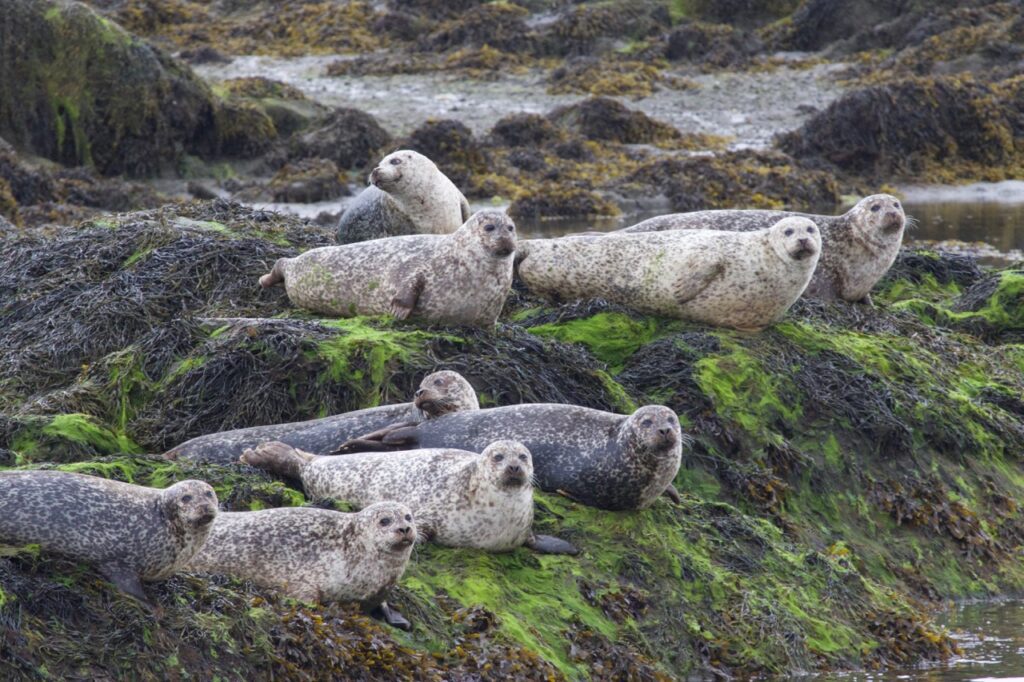
Seals are natural predators of wild salmon and sea trout. However, a proportion of seal develop specialist behaviour and enter rivers where salmon and sea trout are particularly vulnarable after their marine migration. We are pushing for swift development of effective non-lethal detterrents, which prevent seals from entering rivers. We also recognise that targeted interventions are required in exceptional circumstances, guided by science and strict regulation.
The return of beavers to Scotland’s rivers presents both opportunities and challenges for salmon and their habitats. While beaver activity can restore wetland processes and improve water retention, Atlantic salmon are swift water specialists. Some dams may hinder fish from accessing crucial habitat and in future, should many dams form, they may create a habitat structure which favours trout over salmon. We work with NatureScot through the Scottish Beaver Advisory Group (SBAG) and Chair the SBAG fish adn fisheries sub-group, to support a strategic approach to beaver management that protects free passage for migratory fish.
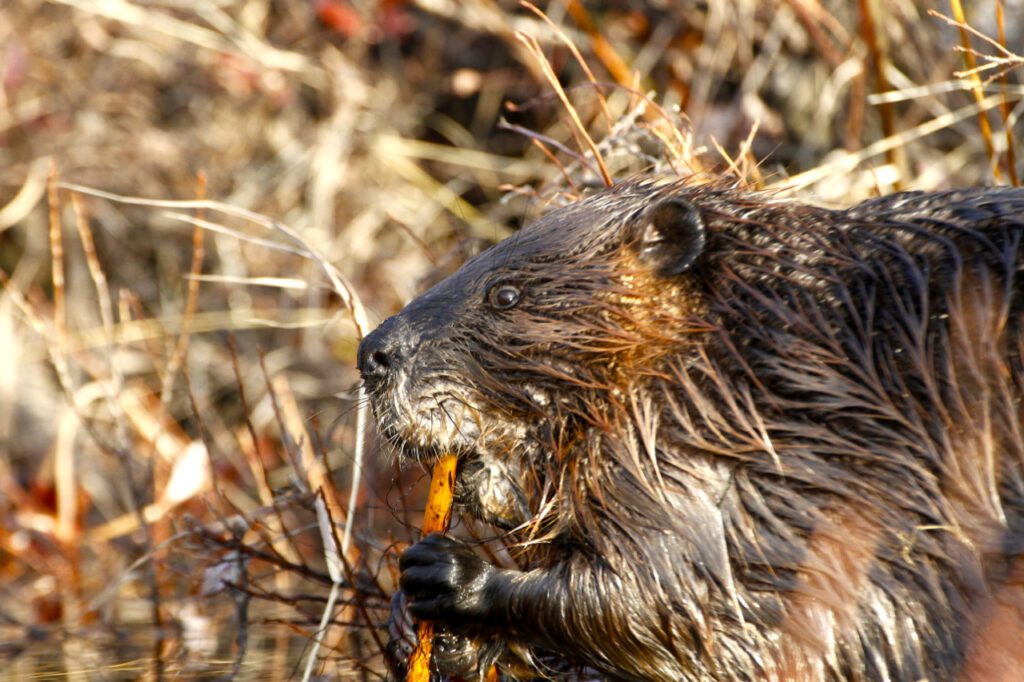
©Ronan Dugan